If your existing Windows 10 PC is running Windows 10 20H1 or later and meets the minimum hardware specificationsit will be able to upgrade to Windows 11. The upgrade rollout plan is still being finalized, but for most devices already in use today, we expect it to be ready sometime in early 2022. Not all Windows 10 PCs that are eligible to upgrade will be offered to upgrade at the same time.

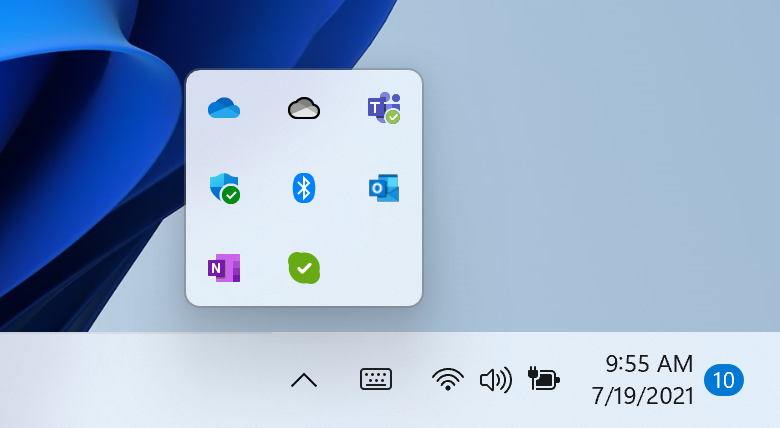
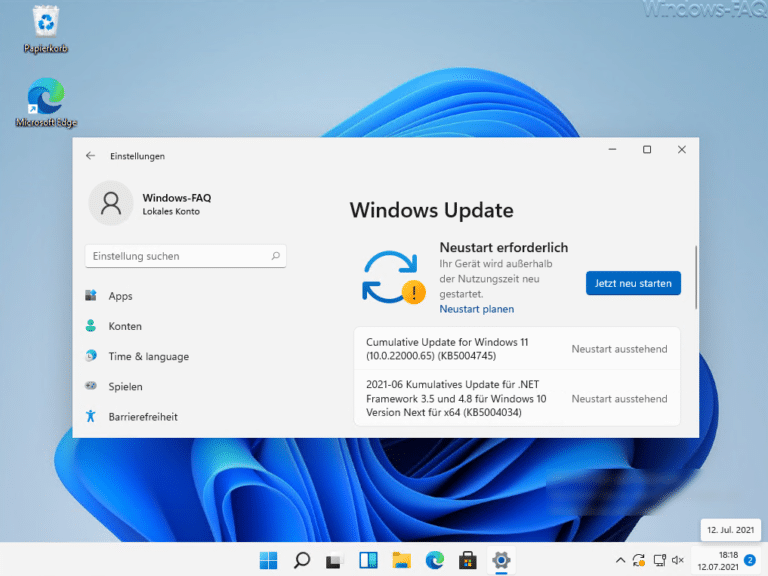
To see if your PC is eligible to upgrade, refer to our knowledge base for a list of tested systems. Once the upgrade rollout has started, you can check if it is ready for your device by going to Settings/Windows Updates. Similar to how end users are notified when updates are available in Windows 10, end users will see an indication in the notification areas of the taskbar in the bottom right, that the upgrade is available. More information on how that is presented will be available at a later date. Additional desktop notification options may be also be added at a later date.
If your existing Windows 10 PC is running Windows 10 20H1 or later and meets the minimum hardware specifications it will be able to upgrade to Windows 11. To see if your PC is eligible to upgrade, refer to the specifications here. Warren noted that he rarely used the Widgets panel or Microsoft Teams, citing that he preferred the weather display that later versions of Windows 10 offered, and didn't use Teams to communicate with his friends and family. He also acknowledged the expansion of Microsoft Store to include more "traditional" desktop applications. Overall, he concluded that "I wouldn't rush out to upgrade to Windows 11, but I also wouldn't avoid it. After all, Windows 11 still feels familiar and underneath all the UI changes, it's the same Windows we've had for decades."

If your existing Windows 10 PC is running the most current version of Windows 10 and meets the minimum hardware specifications it will be able to upgrade to Windows 11. Not all Windows 10 PCs that are eligible to upgrade to Windows 11 will be offered to upgrade at the same time. Cunningham concluded that "as I've dug into and learned its ins and outs for this review, I've warmed to it more", but argued that the OS was facing similar "public perception" issues to Windows Vista and Windows 8.
In this case, it's recommended to wait as you may run into issues during or after the installation. Original equipment manufacturers can still ship computers without a TPM 2.0 coprocessor upon Microsoft's approval. Devices with unsupported processors are not blocked from installing or running Windows 11; however, a clean install or upgrade using ISO installation media must be performed as Windows Update will not offer an upgrade from Windows 10. Some third-party software may refuse to run on unsupported configurations of Windows 11. The official, release version of Windows 11 is now available as a free upgrade to anyone who has Windows 10 and a PC that meets Microsoft's minimum hardware requirements. However, the Redmond software giant isn't pushing the upgrade to every eligible system at once.
Some users will be offered the option to upgrade in their Settings menu on or around the October 5th official launch date while others may be waiting until 2022. In October 2019, Microsoft announced "Windows 10X", a future edition of Windows 10 designed exclusively for dual-touchscreen devices such as the then-upcoming Surface Neo. Legacy Windows applications would also be required to run in "containers" to ensure performance and power optimization.
Microsoft stated that it planned to release Windows 10X devices by the end of 2020. Internet Explorer has been replaced by the Chromium-based Microsoft Edge as the default web browser, and Microsoft Teams is integrated into the Windows shell. Microsoft also announced plans to allow more flexibility in software that can be distributed via Microsoft Store, and to support Android apps on Windows 11 . It's not imperative that you upgrade your system to Windows in the next couple of weeks, or even months.

According to Microsoft's own lifecycle website, Windows 10 Home, Pro and Enterprise editions will continue to be supported by Microsoft until October 2025; your device will get essential security updates for another four years. For many people, that's about the time to upgrade to a newer device, one that will come with Windows 11 already installed. After you complete these steps, the tool will download the installation files and will proceed to upgrade the computer to Windows 11, similar to the Windows Update process preserving your files, apps, and most of the settings. The time of completion will depend on your internet connection and device hardware. Windows 11 has been released as a free upgrade for compatible laptops and desktop computers running Windows 10 with a slew of new features and changes.
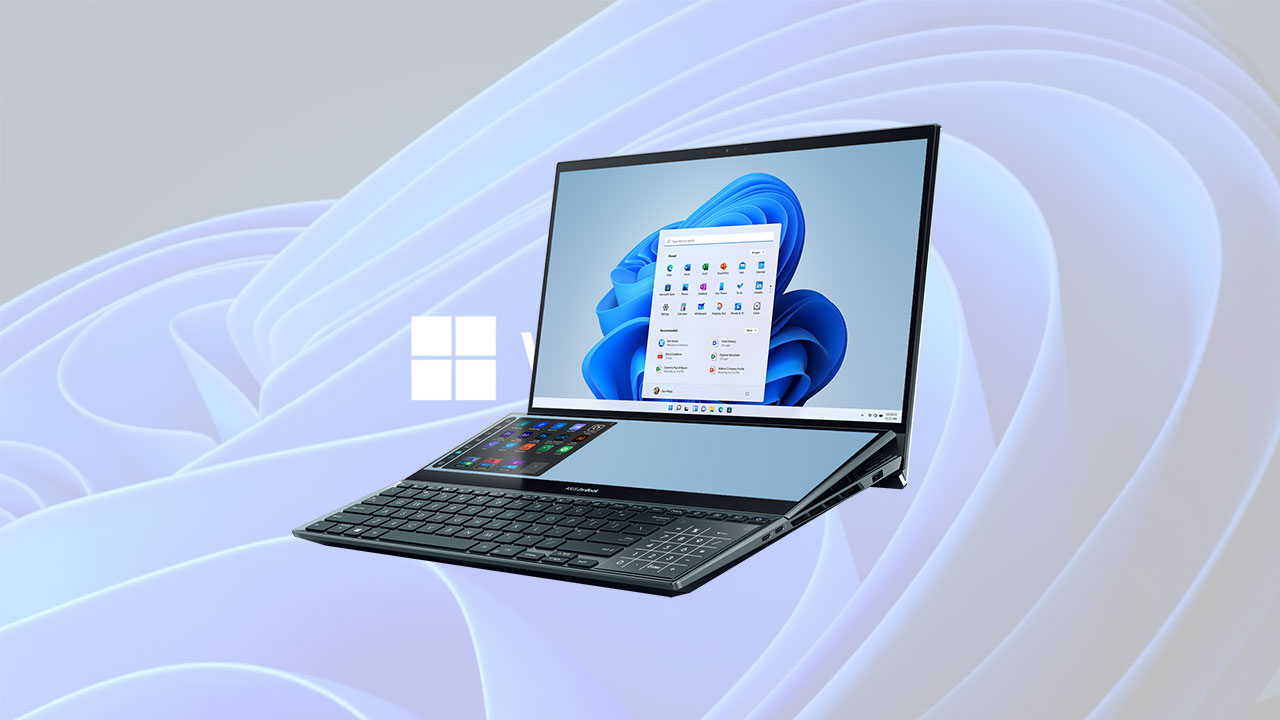
On October 5, 2021, Microsoft has begun the slow rollout starting with newer devices first. Then, it will expand to more compatible computers over time, and it will become fully available by mid-2022. Perhaps the most important thing to know about the release of Windows 11 is that we should expect it to change significantly over the next few years.
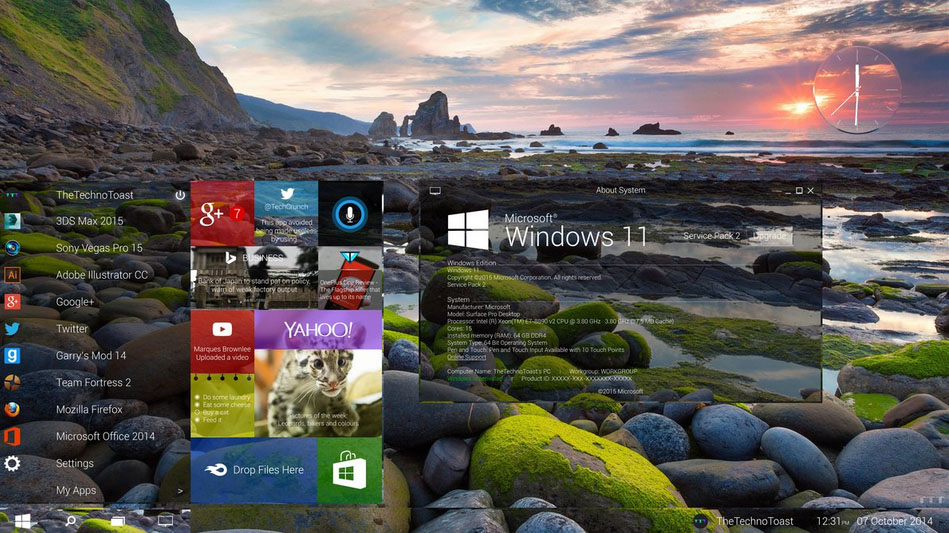
I've been using beta versions of Windows 11 for a month in the lead-up to writing this review, and it seems like every few days there's a minor new feature or redesigned app to check out. We may not see that feature fully realized in Windows until next year. If the Microsoft Surface family of products isn't your style though, other brands like Dell, Asus and HP have all released pages online that specify what devices are Windows 11 ready.
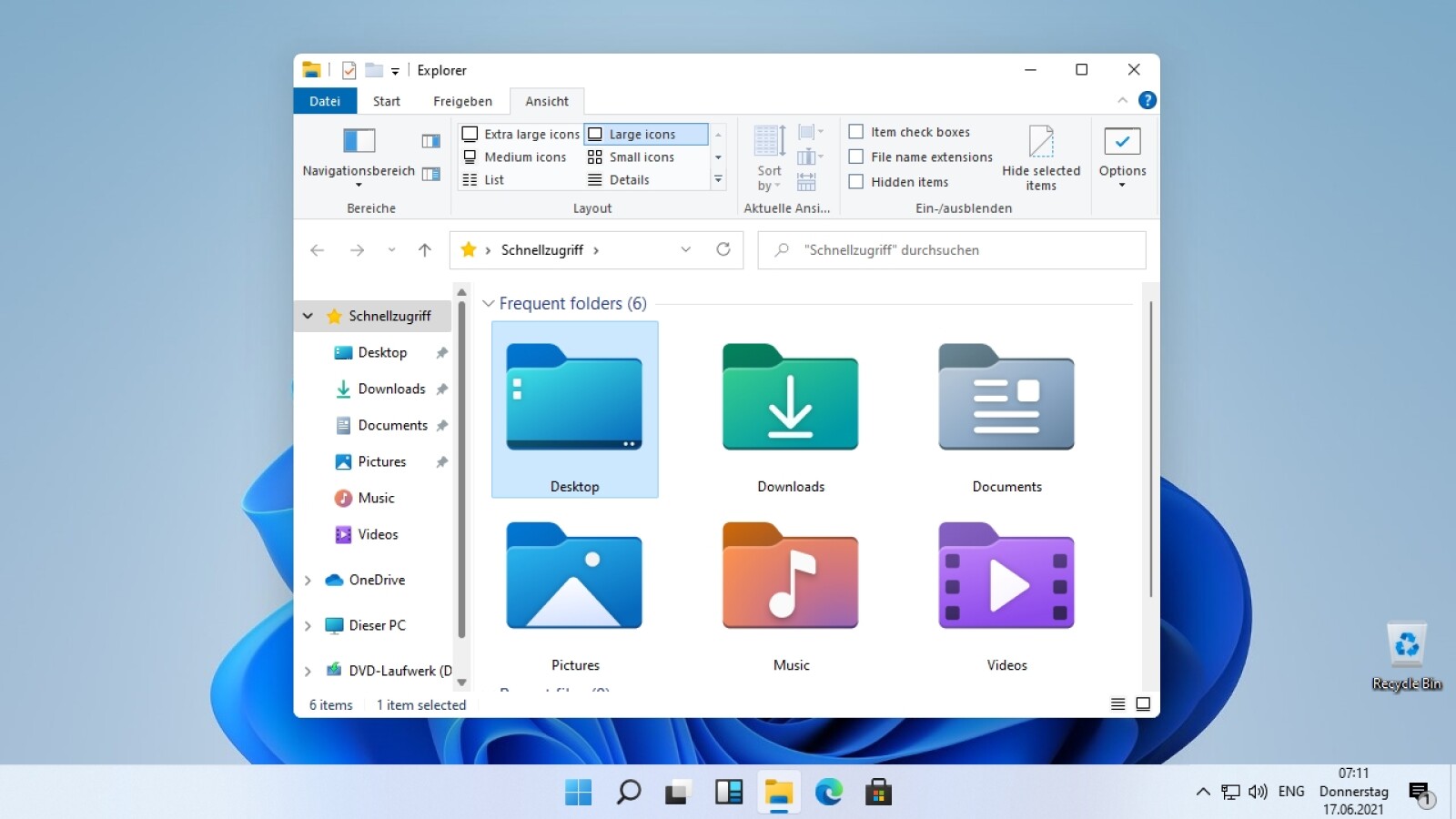
Note that many won't come with the new operating system installed, but as they all meet the minimum system requirements, you can simply buy the laptop or 2-in-1 as normal and then update it yourself. With its machine learning technology, Microsoft has determined further devices on which the Windows 11 update prompt should now appear automatically. The Redmond-based software company has not revealed any additional information on which exact PC configurations are included in this third group. However, manually triggering the Windows 11 update, which is how many tech enthusiasts probably installed Windows 11 in the past weeks, is no longer necessary on these PCs. Users can simply check the regular Windows Update application in order to verify whether the Windows 11 upgrade is ready to download on their respective device. A redesigned user interface is present frequently throughout the operating system, building upon Fluent Design System; translucency, shadows, a new color palette, and rounded geometry are prevalent throughout the UI.

A prevalent aspect of the design is an appearance known as "Mica", described as an "opaque, dynamic material that incorporates theme and desktop wallpaper to paint the background of long-lived windows such as apps and settings". Most Windows 10 PCs currently being sold will be able to upgrade to New Windows. For the PC to be able to upgrade to New Windows, it must meet the minimum hardware specifications and specific hardware is required for some features found here.
The upgrade rollout plan is still being finalised but is scheduled to begin late in 2021 and continue into 2022. As part of the minimum system requirements, Windows 11 only runs on devices with a Trusted Platform Module 2.0 security coprocessor. According to Microsoft, the TPM 2.0 coprocessor is a "critical building block" for protection against firmware and hardware attacks. In addition, Microsoft now requires devices with Windows 11 to include virtualization-based security , hypervisor-protected code integrity , and Secure Boot built-in and enabled by default. The operating system also features hardware-enforced stack protection for supported Intel and AMD processors for protection against zero-day exploits.
You can refer to our knowledge base for a list of tested systems to determine if your device eligible to upgrade to Windows -11. Many PCs that are less than four years old will be able to upgrade to Windows 11. They must be running 20H1 or later version of Windows 10 and meet the minimum hardware requirements to receive the Windows 11 upgrade. Microsoft continues to test new features and improvements after Windows 11 was released. It only tests the latest version of Windows with members who participate in the Windows Insider Program in the Dev, Beta and Release Preview channels.

The Beta and Release Preview channels offer admins and users a sneak peek at the end of the month of non-security updates that will arrive in the Patch Tuesday update, which falls on the second Tuesday of every month. Furthermore, Windows 11 ships with many overhauled experiences like the new out-of-box experience , Settings, Desktops, Notification Center and Quick Settings that replace the Action Center experience. And there are updates for many built-in apps, such as File Explorer, Calculator, Microsoft Paint, Clock, and many more. The operating system can be purchased and users may also upgrade to Windows 11 from their Windows 10 devices, provided that these are compatible.
The upgrade will be offered to "seekers" only, administrators who click on the check for updates button in Windows Updates. Microsoft unveiled its upcoming operating system last week and things started to get confusing right from the get-go. The company released a program, the PC Health Check tool, that reveals if a device is compatible with Windows 11. Many devices that users tested were not compatible because if stricter processor and TPM requirements. There are a few risks that come along with not updating to Windows 11, these include losing out on the latest features, security updates, patches, and compatibility with upcoming security features and applications. Many games that use Anti-cheat tools also have started relying on Windows 11 security features to provide fair gameplay.
While these games still work on Windows 10, it is only a matter of time before Windows 11 ends up becoming a requirement. To see if your PC is eligible to upgrade, refer to our supported computer lists. All HUAWEI PCs with Windows 10 currently being sold on HUAWEI Consumer BG website will be able to upgrade to Windows 11. For the PC to be able to upgrade to Windows 11, it must meet the minimum hardware specifications and specific hardware is required for some features. The upgrade rollout plan is still being finalized but is scheduled to begin late in 2021 and continue into 2022.
Windows 11 SE was announced on November 9, 2021, as an edition exclusively for low-end devices sold in the education market, and a successor to Windows 10 S. It is bundled with applications such as Microsoft Office for Microsoft 365, Minecraft Education Edition, and Flipgrid, while OneDrive is used to save files by default. Windows 11 SE does not include Microsoft Store; third-party software is provisioned or installed by administrators. All Dell PCs with Windows 10 currently being sold on dell.com will be able to upgrade to Windows 11. If you're using Windows 10, installing Windows 11 will feel just like installing a Windows 10 feature update. Microsoft has said exactly that, which means the upgrade process should be pretty easy.

Windows 11 Free Upgrade When It's also been confirmed that Windows 11 will be a free update for Windows 10 users, as long as their PC is compatible. The free upgrade will start rolling out this holiday and it has no set end date yet, so you should be able to upgrade whenever you feel ready. There is a way to install Windows 11 on unsupported hardware, but we wouldn't recommend it.
Although Microsoft hasn't confirmed it, the company has heavily implied that unsupported users won't receive critical security updates. If you still want to install, you can do so using the Media Creation Tool, which bypasses hardware checks. (Pocket-lint) - Windows 11 is now rolling out as a free upgrade for Windows 10 users. That means you should be able to download and use Windows 11 right now - as long as your PC meets the minimum system requirements. The quickest way to get the latest version of Windows from Microsoft is to download the operating system update over the air for free, or you can go the more expensive route and buy a new Windows PC or laptop.
Windows 11 brings a refreshed user interface, better performance and security, and a variety of new features. Based on my initial experience using a review version of Windows 11 for the past two days, it's a solid upgrade with some nice benefits, but not a drop-everything-and-get-this update for Windows 10 users. Introduced in June, Windows 11 offers a sleeker look compared to its previous versions. New features include an update to layouts for snapping applications to the screen, more detailed widgets, a revamped Microsoft Store, and support for Android apps. There are many users who, after the release of Windows 11, went ahead and checked whether their PC is eligible to be upgraded with Windows 11.

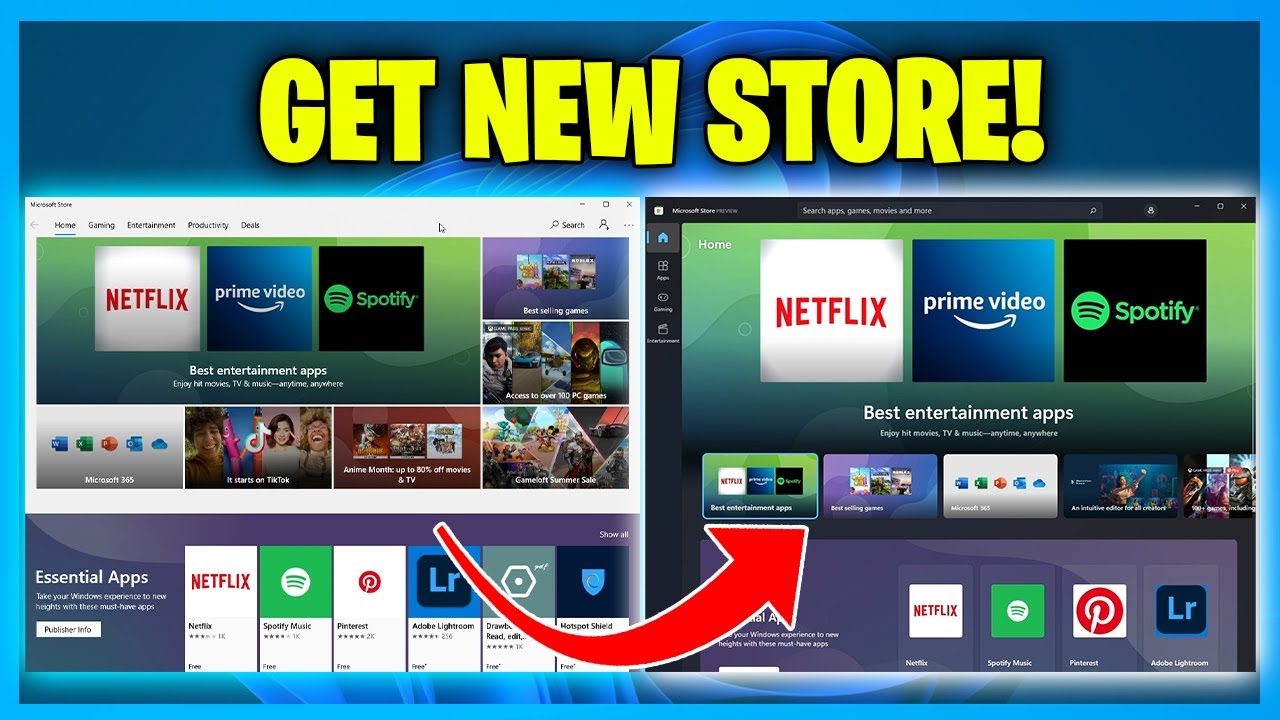
Sadly, they found out that their PC does not meet the minimum requirements to install Windows 11. To put it simply, the best option here is to buy a new PC before the deadline, i.e. 2025. So far Microsoft has released the hardware requirements for Windows 11, but there's confusion over TPM and whether the company are pushing hard over the minimum threshold for which devices are eligible to be updated to the new version. Windows 11 features a new version of the Microsoft Store, with a new interface and a broader selection of apps. This new store is meant to have an easier to use and better-curated digital storefront.

It should also be faster, "We rebuilt for speed", said Panos Panay during the Windows 11 announcement. So far our experience of it is much the same as the rest of Windows 11... But it's also still mostly filled with apps you'd likely download direct from your browser, or wouldn't want to touch at all. Microsoft said the launch will be "phased and measured," with new eligible devices getting the upgrade first and the rest getting offered the free upgrade sometime between October and mid-2022.
Microsoft is making sure that those who purchase a new laptop prior to Windows 11 being pre-installed by manufacturers will be able to update first. Next, Microsoft says it will look at hardware eligibility, reliability metrics and other factors on existing Windows 10 devices to determine when to offer the latest OS through Windows Update. It's a similar approach to how the company has handled Windows 10 feature updates over the years. You can find out whether your device is compatible using the PC Health Check app. On August 31, 2021, Microsoft announced that Windows 11 was to be released on October 5, 2021. The release would be phased, with newer eligible devices to be offered the upgrade first.

Citing security considerations, the system requirements for Windows 11 were increased over Windows 10. While the OS can be installed on unsupported processors, Microsoft does not guarantee the availability of updates. Windows 11 also drops support for 32-bit x86 CPUs and devices which use BIOS firmware. In conclusion, yes, you can upgrade from Windows 10 to Windows 11 for free. You might even be able to do it if you're using an older version of Windows.

This is because Microsoft wants Windows to be as unified a platform as possible. Since it released Windows 10, we've often heard the company talk about how many devices are running the OS. It wouldn't make a ton of sense for the company to split its userbase again. However, Windows 11 has higher system requirements that not every PC will meet. In that sense, you could have to buy a new PC or upgrade some components to use it. The Acer Swift 5 (SF514-55) ultrathin-and-light notebook marries an uber-stylish design with the latest performance technology.
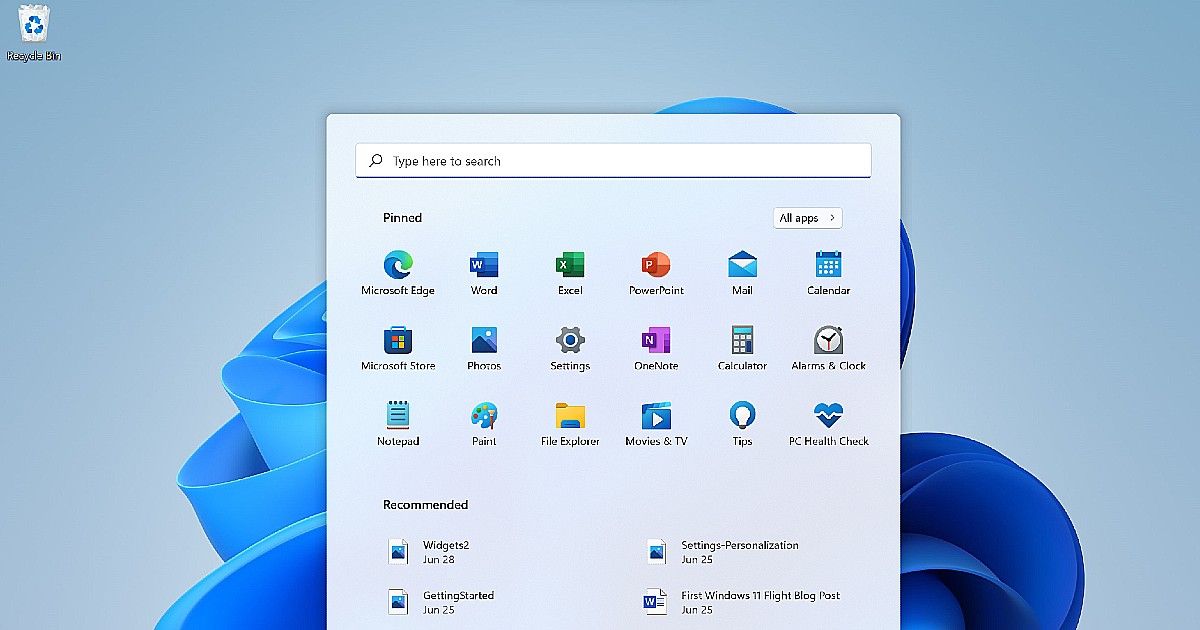
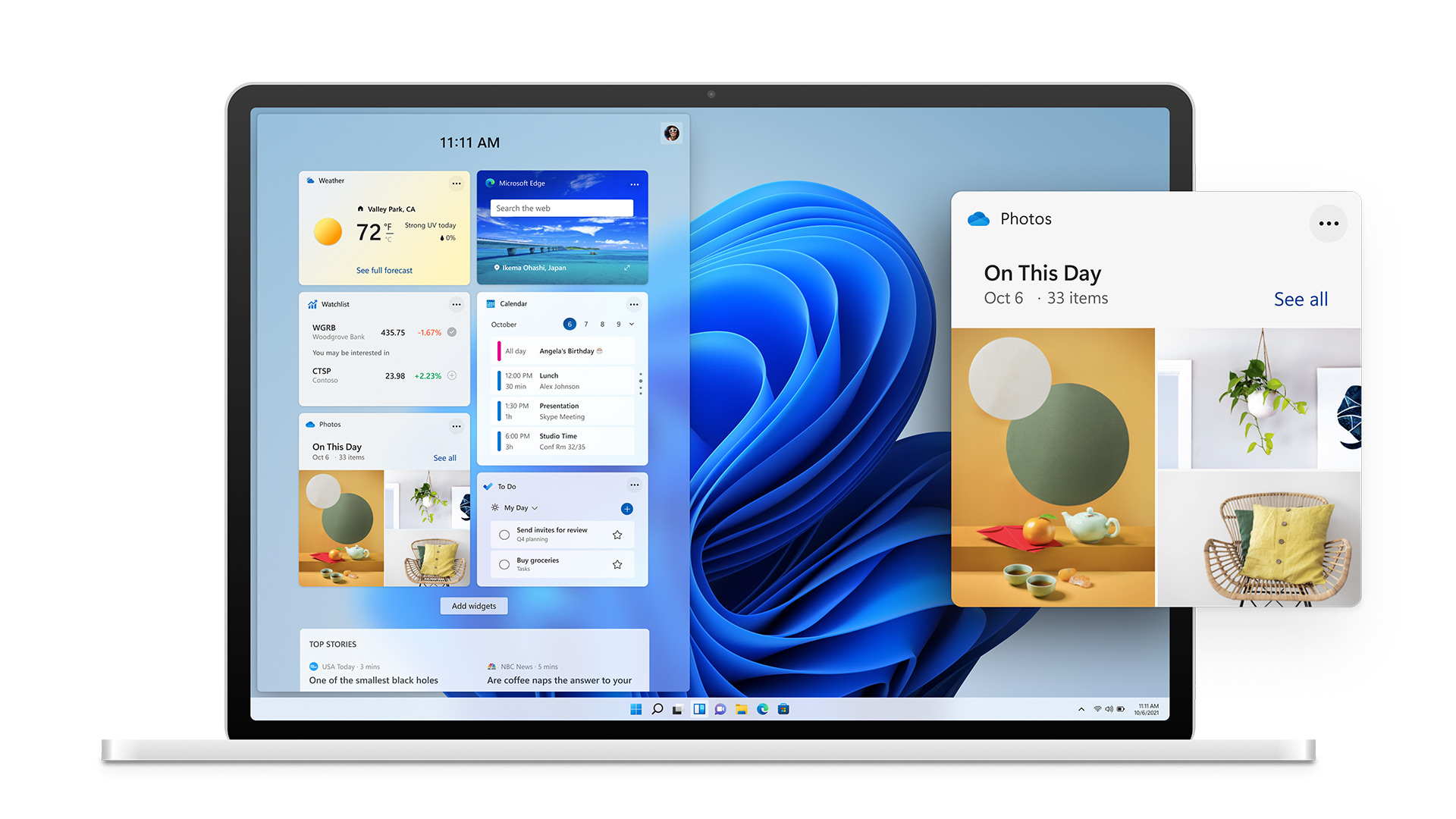
The touchscreen display is covered with a layer of Antimicrobial Corning Gorilla Glass, and you have the option to further include an antimicrobial solution on the touchpad, keyboard and all covers of the device. Microsoft is rolling out the OS in phases, so your system might not prompt you to upgrade just yet -- in fact, you might not find it even if you tell your computer to check for updates. After weeks of leaks and hype, Microsoft today officially announced Windows 11, the next version of its desktop operating system. Windows 11 will warn you that your PC isn't up to snuff, but will otherwise let you carry on your merry way. Windows Widgets are back in Windows 11, accessible via the dock, with Microsoft touting AI-powered dynamic features that enable widgets, as with the Start menu, to change depending on the apps you're using and the time of day. On the touchscreen, you can slide from the left on the desktop to have widgets appear.
Microsoft will let you know when Windows 11 is ready for your system via the Windows Update Settings page or when you check for updates. The company expects to offer the upgrade to all eligible Windows 10 devices by mid-2022. At least 16GB of RAM The basic system requirements of Windows 11 differ significantly from Windows 10. Windows 11 only supports 64-bit systems such as those using an x86-64 or ARM64 processor; IA-32 processors are no longer supported. Thus, Windows 11 is the first consumer version of Windows not to support 32-bit processors .
The minimum RAM and storage requirements were also increased; Windows 11 now requires at least 4GB of RAM and 64GB of storage. The compatibility list includes the Intel Core i7-7820HQ, a seventh-generation processor used by the Surface Studio 2, although only on devices that shipped with DCH-based drivers. Task View, a feature introduced in Windows 10, features a refreshed design, and supports giving separate wallpapers to each virtual desktop. When a display is disconnected in a multi-monitor configuration, the windows that were previously on that display will be minimized rather than automatically moved to the main display. If the same display is reconnected, the windows are restored to their prior location. The "Widgets" button on the taskbar displays a panel with Microsoft Start, a news aggregator with personalized stories and content (expanding upon the "news and interests" panel introduced in later builds of Windows 10).

Microsoft Teams is similarly integrated with the taskbar, with a pop-up showing a list of recent conversations. Upgrades to Windows 11 will begin to roll out late in 2021 and continue into 2022. During this time, we will be doing some behind the scenes testing and validating for your specific PC. Windows Update will provide an indication if and when your PC is eligible. Seton Hall provided laptops have been tested and are verified to work with Windows 11. Users running aging software or custom programs may experience issues in the early days of the rollout process.


No comments:
Post a Comment
Note: Only a member of this blog may post a comment.